What Is Reiki Healing? Benefits, Process, and Who Should Try It
These days, many people deal with stress, anxiety, and emotional ups and downs. As a result, more people are exploring holistic healing therapies that support both the body and mind. Reiki healing is one gentle but effective option.
This blog explains what Reiki is, how it works, its benefits, and who can benefit from it.
What Is Reiki?
Reiki is a Japanese energy healing technique developed by Mikao Usui in the early 20th century.
The word Reiki comes from:
- “Rei” – Universal
- “Ki” – Life force energy
Together, Reiki means universal life energy that flows through all living beings.
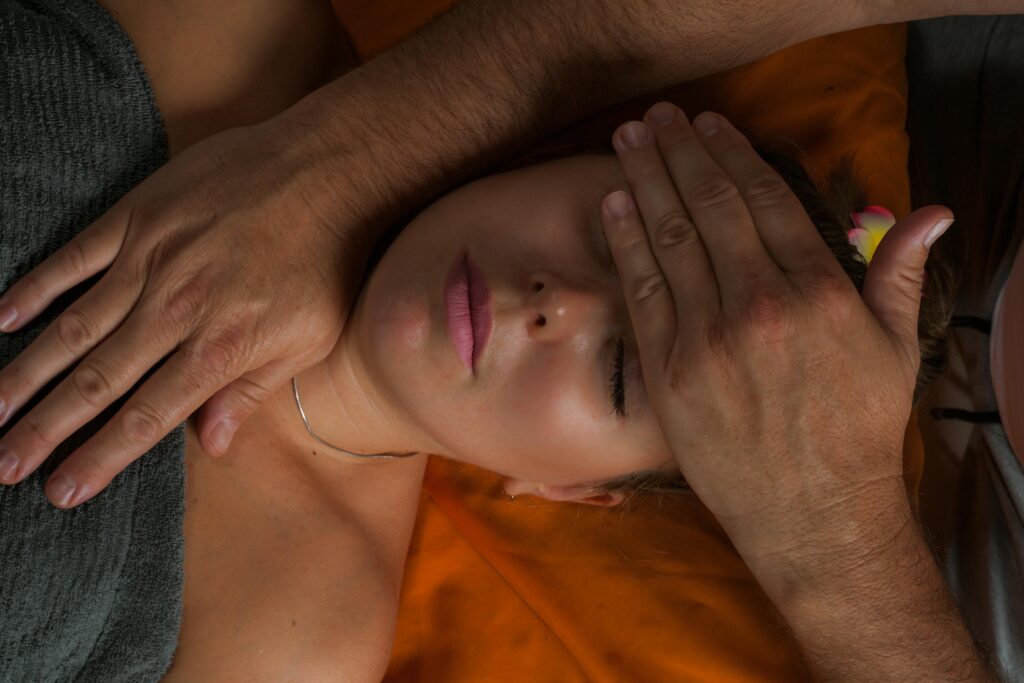
A Reiki practitioner channels this healing energy through their hands to help balance the recipient’s physical, emotional, mental, and spiritual well-being.
How Does Reiki Healing Work?
Reiki is based on the belief that:
- The body has an energy field
- Stress, trauma, or illness can cause energy blockages
- Restoring smooth energy flow supports natural healing
During a Reiki session:
- The client lies down fully clothed in a calm environment.
- The practitioner places hands lightly on or above the body.
- Healing energy flows to areas where it is most needed.
- The client experiences deep relaxation, warmth, or peace.
Sessions usually last 30 to 60 minutes.
Top Benefits of Reiki Healing
1. Reduces Stress and Anxiety
Reiki promotes deep relaxation, helping calm the nervous system and reduce emotional tension.
2. Supports Emotional Healing
It can help release suppressed emotions, grief, fear, or mental fatigue.
3. Improves Sleep Quality
Many clients report better and deeper sleep after sessions.
4. Enhances Natural Healing
Reiki complements medical treatment by supporting the body’s self-healing ability.
5. Balances Energy and Mood
Regular sessions may increase positivity, clarity, and inner peace.
Who Should Try Reiki?
Reiki is safe and gentle for all age groups. It may be especially helpful for:
- People experiencing stress, anxiety, or burnout
- Individuals dealing with emotional trauma
- Those with chronic pain or fatigue
- Anyone seeking spiritual growth or inner balance
It is important to note that Reiki is a complementary therapy, not a replacement for medical treatment.
What to Expect After a Reiki Session
Experiences vary from person to person. Some people feel:
- Deep relaxation or sleepiness
- Emotional release
- Lightness in the body
- Improved mood and clarity
Occasionally, mild tiredness or emotional sensitivity may appear for a short time as the body adjusts.
How Many Reiki Sessions Are Needed?
The number of sessions depends on the individual’s needs.
- Stress relief: 1–3 sessions
- Emotional healing: 4–6 sessions
- Chronic issues: Ongoing sessions may help
Your Reiki practitioner can suggest a personalized plan.
Final Thoughts
Reiki is a simple, natural, and non-invasive healing method that helps restore balance in body, mind, and spirit. Whether you are seeking relaxation, emotional clarity, or holistic wellness, Reiki can be a gentle step toward inner harmony and well-being.
If you are curious about energy healing, trying a Reiki session may open the door to a deeper sense of peace connect.