

Meditation: A Simple Practice for Mental Peace and Inner Balance
In today’s busy world, constant stress, digital overload, and emotional pressure often leave people feeling worn out and disconnected. Meditation offers a straightforward yet effective way to slow down, reconnect with yourself, and restore mental clarity.
Whether you practice it for relaxation, emotional healing, or personal growth, meditation has become a key tool for improving overall well-being.
What Is Meditation?
Meditation is a mindfulness practice that centers on focusing your attention and being aware of the present moment. Instead of trying to completely stop your thoughts, meditation teaches you to observe them calmly without judgment.
It trains the mind to become more peaceful, focused, and balanced.
Meditation can include:
- Breath awareness
- Guided visualization
- Mantra repetition
- Mindfulness practices
- Body awareness techniques
Even just a few minutes of daily meditation can bring noticeable positive changes.
Benefits of Meditation
- Reduces Stress and Anxiety
Meditation activates the body’s relaxation response, lowering stress hormones and calming the nervous system.
- Improves Focus and Concentration
Regular practice strengthens your attention span and mental clarity, helping you be more productive and make better decisions.
- Enhances Emotional Well-being
Meditation increases self-awareness and helps you manage your emotions more effectively.
- Promotes Better Sleep
By calming racing thoughts, meditation supports deeper and more restful sleep.
- Supports Physical Health
Studies suggest meditation may help lower blood pressure, boost immunity, and promote overall wellness.
Types of Meditation You Can Practice
- Mindfulness Meditation
Focus on your breathing and observe your thoughts without reacting to them.
- Guided Meditation
A teacher or audio guide leads you through relaxation or visualization exercises.
- Mantra Meditation
Repeating a calming word or phrase to center your mind.
- Loving-Kindness Meditation
Practicing compassion and positive thoughts toward yourself and others.
How to Start Meditation (Beginner-Friendly Guide)
Starting meditation is easier than many think.
Step 1: Sit comfortably in a quiet place.
Step 2: Close your eyes and relax your body.
Step 3: Focus on your natural breathing.
Step 4: When thoughts arise, gently bring your attention back to your breath.
Step 5: Practice for 5 to 10 minutes daily.
Being consistent is more important than the length of time.
Common Challenges Beginners Face
Many people think meditation means having a completely blank mind. This is a myth.
You might experience:
- Wandering thoughts
- Restlessness
- Sleepiness
These are normal parts of the learning process. Your meditation will improve gradually with practice.
Best Time to Meditate
You can meditate at any time, but popular choices include:
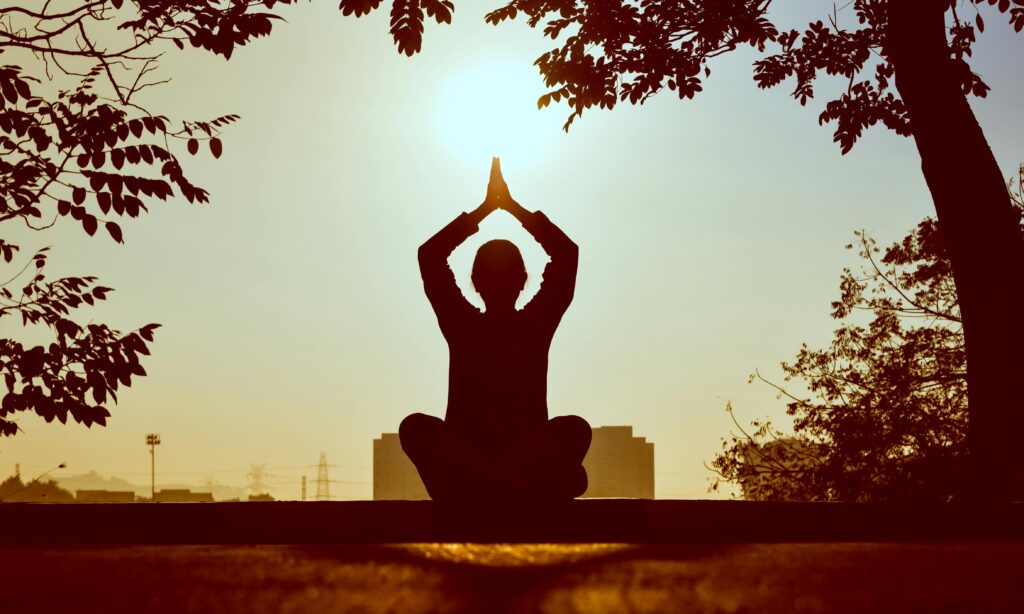
- Early morning for mental clarity
- Evening for stress relief
- Before sleep for relaxation
Choose a time that fits naturally into your routine.
Why Meditation Is Important in Modern Life ?
Meditation helps balance external responsibilities with inner peace. In a world full of constant stimulation, it gives you a chance to pause, reset, and reconnect with yourself.
Regular meditation encourages:
- Calm thinking
- Emotional stability
- Greater self-awareness
- Inner harmony
Conclusion
Meditation is not about escaping life; it’s about experiencing life with greater awareness and peace. With just a few minutes each day, you can build resilience, reduce stress, and develop a deeper sense of well-being.
Start small, stay consistent, and let meditation become a natural part of your daily self-care routine.